


-

Add: HeBei ShengShi HongBang Cellulose Technology CO.,LTD.
-

Email
13180486930@163.com -

CONTACT US
+86 13180486930
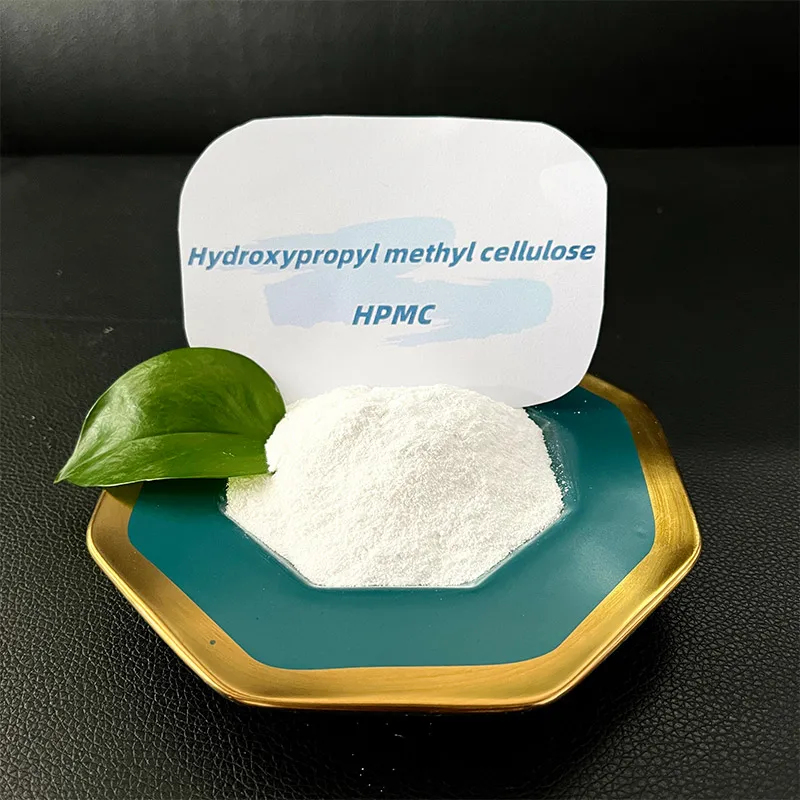
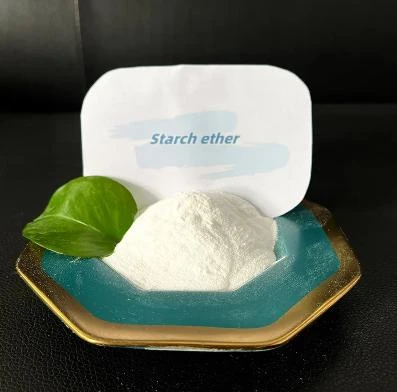



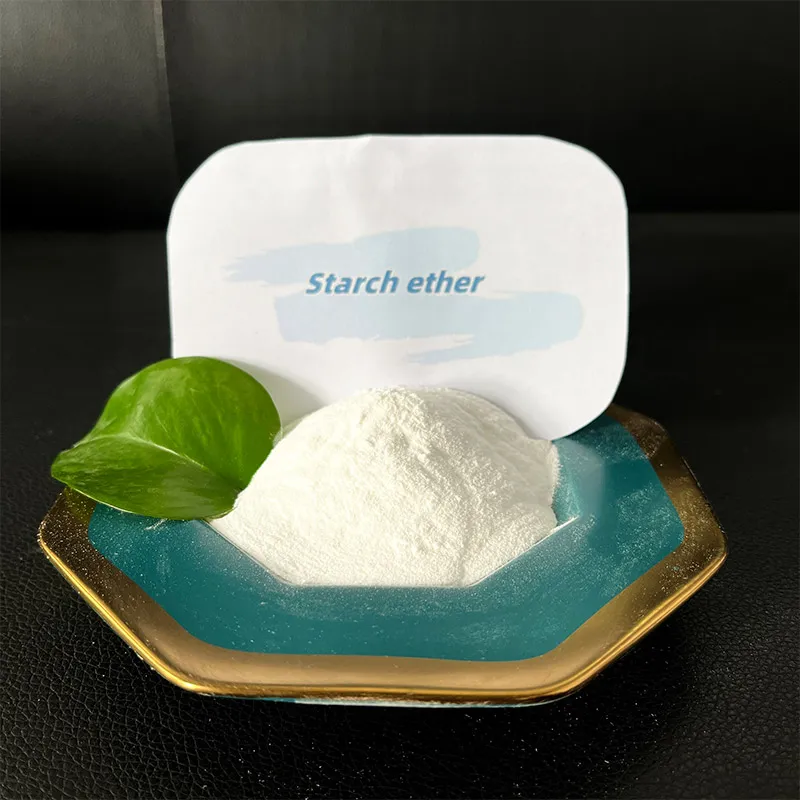
Advancements in Starch Ether Technology: Innovation in Material Science Starch ether , a refined white powder derived from natural plant sources, undergoes a sophisticated process of modification characterized by substantial etherification reactions, followed by a technique known as spray drying. At HeBei ShengShi HongBang, we've pioneered advanced manufacturing techniques to produce high-purity starch ether compounds with exceptional consistency and performance characteristics. Our starch ether solutions meet rigorous international standards across multiple industries. "Modern construction chemistry relies heavily on specialty additives like starch ether to achieve required performance parameters. The controlled modification of starch molecules significantly improves water retention, workability, and application properties in cementitious systems." - Journal of Construction Chemistry Explore Our Starch Ether Solutions Technical Parameters of Starch Ether Comprehensive Technical Specifications Parameter Standard Range Test Method Significance Viscosity (2% solution) 100-10,000 mPa·s Brookfield LVF Determines thickening efficiency pH Value 5.5-7.5 DIN EN ISO 787-9 Chemical compatibility indicator Moisture Content ≤ 8% Karl Fischer Storage stability & shelf life Degree of Substitution (DS) 0.02-0.10 Titration Method Functional group quantification Ash Content ≤ 1% DIN EN ISO 3451 Purity measurement Granulation (200 mesh) ≥ 95% Sieve Analysis Solubility and dispersion Bulk Density 450-550 g/l ASTM D1895 Dosage and handling Industry Applications of Starch Ether Construction Materials Starch ether serves as a multifunctional additive in tile adhesives, cement renders, and self-leveling compounds. Our specialized products enhance water retention, prolong open time, and improve sag resistance. Pharmaceutical Excipients In tablet formulations, starch ether functions as a superior binder-disintegrant combination. Medical-grade etherified starch enhances dissolution profiles while maintaining excellent compression characteristics. Food Processing Food-grade modified starch acts as a thickener, stabilizer, and texture modifier. Our specialized products are certified for applications in sauces, dressings, and frozen food preparations. Paper Manufacturing As a coating binder and surface sizing agent, starch ether improves paper strength, printability, and surface characteristics while reducing dusting during converting operations. Textile Processing In textile printing, our specialized starch ether serves as efficient thickeners that provide excellent color yield, sharpness of print, and easy washability. Oil Field Applications High-performance drilling fluid additives based on starch ether offer excellent fluid loss control at elevated temperatures while maintaining environmental compatibility. Starch Ether Advantages ? Sustainable Origin Derived from annually renewable starch resources, our products support sustainable material cycles. Life cycle assessments confirm the ecological advantages of starch-based chemicals versus petroleum alternatives. ? Water Retention Our patented starch ether chemistry achieves up to 30% higher water retention efficiency in construction materials compared to conventional cellulose ethers, improving hydration control in cementitious systems. ? Compatibility Enhancement Through specialized modification processes, we've developed starch ether products that demonstrate improved compatibility with modern additives including PCE superplasticizers and redispersible polymer powders. ⚖️ Cost Efficiency At equivalent performance levels, starch ether additives deliver significant formulation cost advantages while often improving application characteristics in multiple materials systems. Technical FAQs About Starch Ether What is the mechanism behind starch ether's water retention properties? Starch ether molecules undergo hydration that causes molecular chain expansion, creating a network that physically traps water through hydrogen bonding. The substitution pattern determines hydrophilic character and solution behavior. Studies show properly modified starches can hold water molecules even under mechanical pressure and low humidity conditions. How do starch ethers compare to cellulose ethers in construction applications? While both modify rheology, starch-based alternatives offer superior economics at comparable technical performance. Our research indicates specific advantages including faster dissolution, enhanced electrolyte tolerance, and different molecular weight distributions that complement cellulose derivatives. Many formulators blend both polymer types to optimize cost-performance ratios. What are the critical manufacturing parameters for consistent starch ether quality? Three parameters dominate: 1) Etherification efficiency (reaction kinetics and DS control), 2) Granulation technology achieving uniform particle size distribution, and 3) Thermal history optimization during drying phases. At HeBei ShengShi HongBang, we utilize continuous production monitoring with AI-driven process control that maintains quality variance below 0.5% over production batches. Can starch ether be used in formulations requiring thermal stability? Through specific chemical modification pathways, we produce thermal-stable grades that maintain functionality up to 90°C for extended periods. These specialty products are engineered through molecular structure optimization that reduces thermal degradation pathways. Third-party testing confirms retention of over 85% initial viscosity after 24 hours at 85°C. How is substitution degree (DS) measured, and what values are optimal? DS is quantified through both wet chemical titration and NMR techniques. For construction applications, optimal values range between 0.04-0.07 DS. Higher substitution increases solubility but may negatively impact thickening efficiency. We offer specialized testing services to match DS profiles to specific application requirements. What packaging options are available to prevent moisture degradation? We utilize triple-layer laminated sacks with polyethylene barriers offering less than 2g/m²/24h moisture transmission rates. Bulk silo systems are also available for high-volume users, featuring inert gas blanketing and humidity-controlled discharge systems to maintain optimal powder flow characteristics while preventing moisture absorption. How does starch ether impact environmental compliance profiles? Starch-based derivatives inherently offer environmental advantages including biodegradability (>95% OECD 301B), renewable resource origin, and low ecotoxicity. Our lifecycle assessments show carbon footprints reduced by 35-50% versus petrochemically derived alternatives. All products meet REACH and TSCA regulatory requirements. Industry Recognitions & References International Journal of Material Science: "Advanced Modification Techniques for Improved Starch Functionality" https://doi.org/10.1016/j.ijms.2022.102456 Construction Chemistry Review: "Novel Applications of Starch Ethers in Modern Building Materials" https://www.conchem-review.org/articles/ccr.11945 European Polymer Journal: "Structural Analysis of Industrially Modified Starch Derivatives" https://doi.org/10.1016/j.eurpolymj.2021.110812 Food Technology Magazine: "Functional Properties of Modified Food Starches in Processed Foods" https://www.ift.org/news-and-publications/food-technology-magazine Industrial Chemistry Research: "Continuous Production Processes for Starch Ether Derivatives" https://pubs.acs.org/doi/10.1021/acs.iecr.1c01234
- 40000tons

Production
- 20+years

Experience
- 5000+㎡

Acreage

-
Rubber powder coating has quietly risen to prominence in the coating industry, capturing the interest of manufacturers and DIY enthusiasts alike. Its increasing popularity stems from its remarkable ability to provide a durable, protective layer with a unique set of properties that traditional coatings fail to offer. This article delves into the technicalities, benefits, and applications of rubber powder coating, shedding light on why it’s becoming a go-to choice in diverse sectors. Rubber powder coating combines the resilient and flexible properties of rubber with the robustness of a powder coat . Unlike liquid coatings which rely on solvents and VOCs (volatile organic compounds), rubber powder coatings are applied in a dry powder form and cured under heat or with ultraviolet light, allowing for a safer and more environmentally friendly process. This method not only reduces harmful emissions but also minimizes waste, which is an attractive advantage in today’s environmentally conscious market. From an expert's perspective, one of the standout features of rubber powder coating is its elasticity. This means that the coating is capable of expanding and contracting without cracking, making it particularly beneficial in environments subject to extreme temperature variations or mechanical stresses. The elastic nature ensures a continuous and protective barrier even when the substrate underneath is in constant motion. In terms of applications, rubber powder coating is incredibly versatile. It finds use in automotive and marine industries where its resistance to abrasion and corrosion is highly valued. The coating effectively protects metal surfaces from rust and pitting, extending the lifespan of components like vehicle underbodies and marine hardware. Moreover, the construction industry utilizes rubber powder coatings for tools and equipment that face wear and tear, leveraging its anti-slip properties to enhance safety. The application process of rubber powder coating further contributes to its growing popularity. It can be applied at varying thicknesses to suit different performance needs without compromising on quality. Lower thicknesses are optimal for projects requiring finesse, while higher builds offer superior protection for heavy-duty applications. This flexibility allows businesses to tailor their approach based on specific requirements, optimizing both performance and cost-efficiency. rubber powder coating Adding to its list of advantages, rubber powder coatings are available in a multitude of colors and finishes, which widens its appeal for aesthetic applications. From homeware to consumer electronics, its potential to offer both protection and style makes it a preferred choice among manufacturers looking to innovate product design without sacrificing quality. In reinforcing trustworthiness, manufacturers and applicators of rubber powder coatings emphasize rigorous quality control standards and thorough testing to ensure each batch meets stringent performance criteria. Customers are assured of receiving reliable and consistent products that meet or exceed industry standards. Furthermore, adherence to environmental regulations and sustainable practices in production processes bolsters the credibility and authority of companies in this market. Finally, the ease of maintenance associated with rubber powder coatings cannot be overlooked. Its seamless finish makes it resistant to dirt and contaminants, and should cleaning be necessary, the surface can be easily wiped down with minimal risk of damage. This attribute is particularly appealing in high-traffic areas or environments where hygiene is paramount. In essence, rubber powder coating represents a fusion of innovation and practicality. Its amalgamation of elasticity, environmental compatibility, and customization potential positions it as the future of protective coatings. By integrating these features, industries stand to not only enhance product longevity and performance but also align with the growing trend towards sustainable solutions. As the market evolves, the role of rubber powder coating will undoubtedly expand, paving the way for further innovations that meet the demands of tomorrow’s challenges.
-

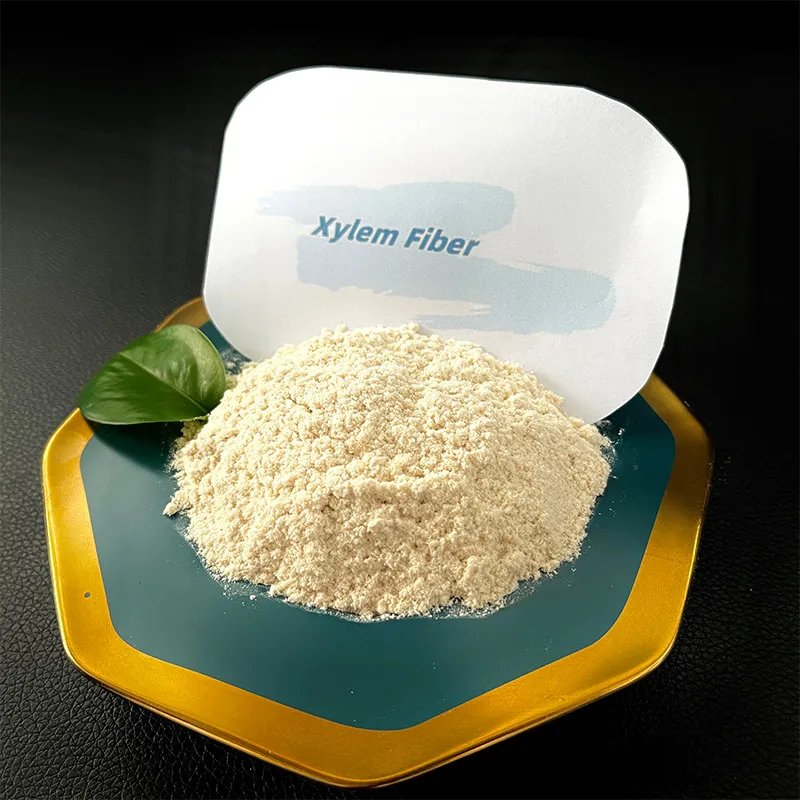
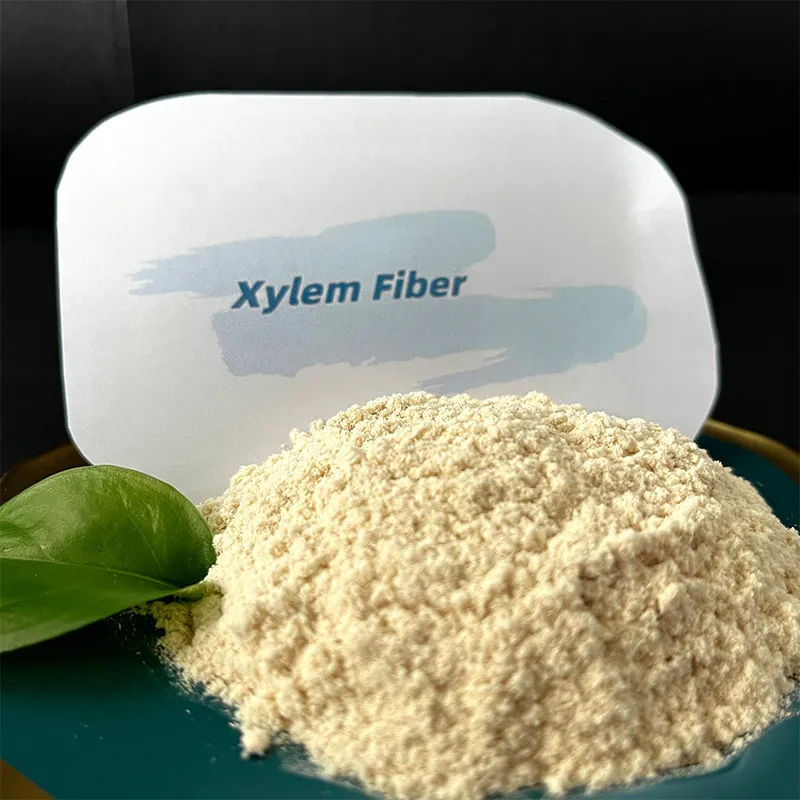
Understanding Wood Cellulose Its Nature and Importance Cellulose is a complex carbohydrate that is a primary component of the cell walls of plants, including trees and other woody plants. It is an essential structural polysaccharide that provides plants with strength and rigidity. In the context of wood, cellulose accounts for a significant portion of its composition, playing a critical role in its mechanical properties and durability. What is Cellulose? Cellulose is a polymer made up of long chains of glucose units linked together by beta-1,4-glycosidic bonds. This linear arrangement allows cellulose molecules to pack tightly together, forming strong fibers that give wood its strength. The structure of cellulose differs from that of starch, another carbohydrate made up of glucose units. While starch is branched and serves as an energy reserve for plants, cellulose maintains a straight chain configuration, which is crucial in providing structural stability. In wood, cellulose is present alongside other important components, such as hemicellulose and lignin. Hemicellulose is another type of polysaccharide that helps to bind cellulose fibers together, while lignin provides additional rigidity and resistance to decay. The combination of cellulose, hemicellulose, and lignin contributes to the overall strength, flexibility, and longevity of wood. The Role of Cellulose in Wood Cellulose serves several vital functions in wood. Its primary role is to provide structural integrity. The strong and durable cellulose fibers contribute to the mechanical strength that enables trees to grow tall and withstand external forces such as wind and snow. This property is particularly important for trees, as their height and stability are crucial for sun exposure and nutrient acquisition. Moreover, cellulose also plays a role in water retention and transportation within the plant. The porous structure created by cellulose fibers allows for the movement of water and nutrients from the roots to the leaves. This hydraulic function is essential for the growth and health of the tree. Applications of Wood Cellulose ¿qué es la celulosa de madera? The significance of cellulose extends beyond its biological functions; it is also a valuable resource for various industries. Wood cellulose is harvested and processed to produce a wide range of products, including paper, textiles, and biodegradable plastics. Paper Production The paper industry relies heavily on cellulose extracted from wood pulp. The cellulose fibers are processed, bleached, and formed into sheets, which are then dried and rolled into paper products. The strength and flexibility of cellulose make it ideal for creating high-quality paper. Textiles Cellulose fibers can be transformed into textiles such as rayon and lyocell. These fabric materials are derived from wood pulp and are prized for their softness, breathability, and biodegradability. As sustainability becomes increasingly important in the fashion industry, cellulose-based textiles provide an eco-friendly alternative to synthetic fibers. Biodegradable Plastics With the rise of environmental concerns regarding plastic pollution, wood cellulose has emerged as a potential material for producing biodegradable plastics. Utilizing cellulose as a raw material for bioplastics allows for the creation of renewable and compostable alternatives to conventional petroleum-based plastics. Environmental Significance From an environmental perspective, cellulose plays a vital role in carbon sequestration. Trees absorb carbon dioxide from the atmosphere during photosynthesis, converting it into cellulose and other organic compounds. This process not only contributes to the growth of trees but also helps to mitigate climate change by reducing greenhouse gas levels in the atmosphere. Sustainable forest management practices that prioritize the retention of cellulose-rich trees contribute to preserving biodiversity and promoting healthy ecosystems. By ensuring that forests remain intact and flourishing, we can continue to benefit from the myriad resources and ecological services they provide. Conclusion Cellulose in wood is a remarkable natural polymer that holds tremendous significance for both the environment and various industries. Its structural properties contribute to the strength and durability of trees, while its versatility makes it a valuable resource for producing a wide array of products. As we seek sustainable solutions for the future, understanding the role of wood cellulose and utilizing it responsibly will be essential for balancing ecological health with industrial needs.
advantages
-

200000 Viscosities
Excellent product
We can produce pure products up to 200,000 viscosities
-

40000 tons
High yield
We don’t stop production all year round, and the annual output can reach 40,000 tons
-

24 hours
Quality service
We provide 24-hours online reception service, welcome to consult at any time
———— Inquiry Form
Schedule A services
-
 poudre_d_emulsion_redispersable
Oct . 25, 2025
Rubber powder, an increasingly significant material in various industrial applications, exhibits uni -
 mikrofiber_sintetis
Oct . 25, 2025
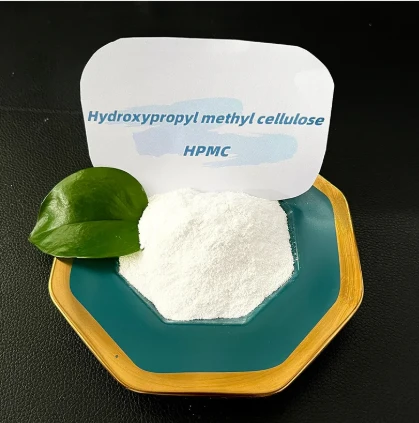
In the vast landscape of chemical manufacturing, Hydroxypropyl Methylcellulose (HPMC) stands out as -
 microfibre_synthetique
Oct . 25, 2025
What is HPMC Made From? Hydroxypropyl Methylcellulose (HPMC) is a versatile and widely used polymer


